High-Pressure Reactors
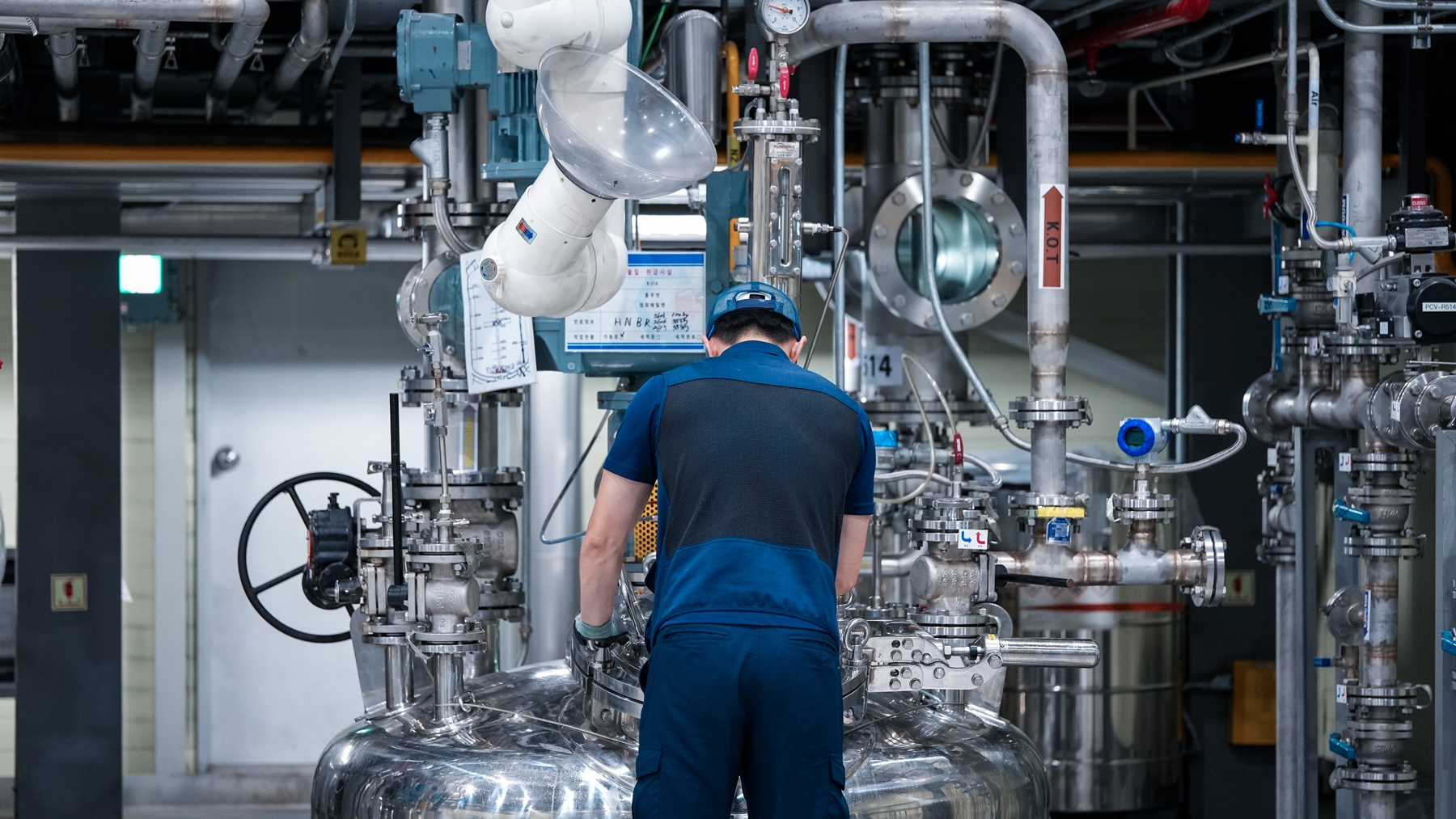
Used for hydrogenation and high-pressure reactions.
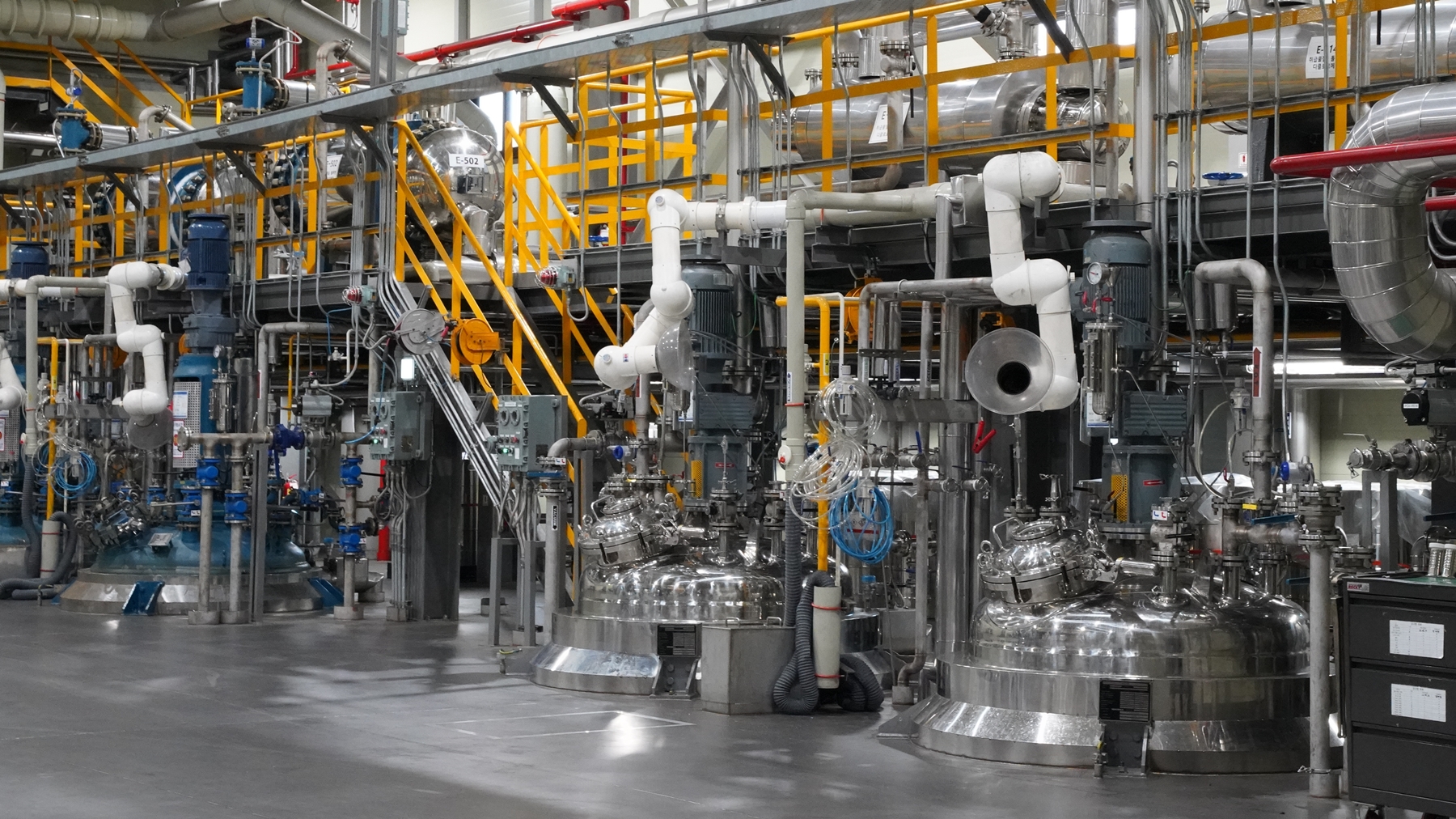
Each reactor is equipped with automated pressurization and pressure-relief systems, rupture discs, and a knockout tank.
1,500 L × 2 units · 9.9 bar · −29 to 200°C · SUS 316L
About Us
SPCI, an advanced chemical materials company since 2009.
Infrastructure
Production, research, and analytical infrastructure with 26 reactors and a total capacity of 76,450 L.
Business Model
3 collaboration models—ODM, OEM, and OBM—tailored to customer needs.
Products
36 products across metallocene catalysts, electronic materials, and specialty chemicals.
ESG Management
Sustainable management implemented through 6 policies and relevant certifications.
Information
Information on company e-brochure, our talent philosophy, employee benefits, careers, and contact information.
PRODUCTION FACILITIES
From Glass-Lined Reactors to Large-Scale Stainless-Steel Vessels
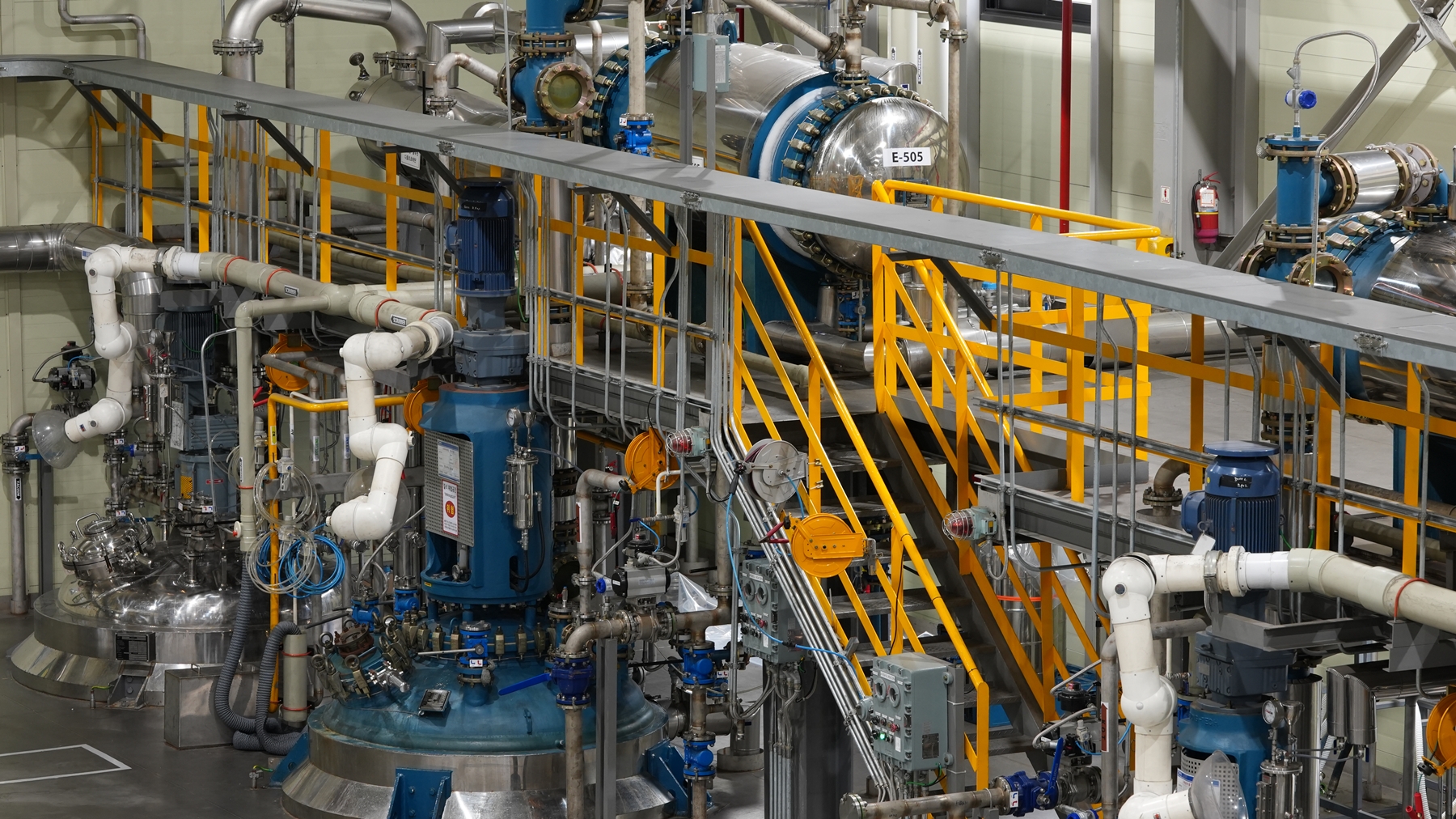
Plants 1 through 3 have a total of 26 reactors with a combined capacity of 76,450 L. Operating temperatures and construction materials vary by plant,
allowing us to select production lines suited to specific process characteristics. Plant 3 began construction in July 2026, with commercial production scheduled to commence in October 2027.
26
Reactors Owned
76,450 L
Total Reactor Capacity
10,000 L
Maximum Reactor Capacity
3
Plants
Operating temperatures and equipment materials vary by plant. We select production lines suited to the characteristics of each process.
Plant 1 operates 6 reactors with a total capacity of 9,300 L and supports processes at temperatures ranging from −25 to 250°C. Process temperatures are maintained at the target level using heat transfer oil and condenser temperature control, with safeguards in place to prevent moisture ingress in the event of condenser leakage.
| Category | Capacity | Number of Units | Specification | Remarks |
|---|---|---|---|---|
| Glass-Lined Reactor | 300 L | 1 | −25 to 250°C | High-mix, low-volume production |
| 1,000 L | 1 | −25 to 250°C | Corrosive material processing | |
| 2,000 L | 1 | −25 to 250°C | Corrosive material processing | |
| 3,000 L | 1 | −25 to 250°C | Corrosive material processing | |
| Stainless-Steel Reactor | 1,000 L | 1 | −25 to 250°C | High-temperature reactions |
| 2,000 L | 1 | −25 to 250°C | High-temperature reactions | |
| Filter Dryer | 1,000 L | 1 | — | Filtration and drying |
Operating conditions are based on equipment specifications; actual operating ranges may vary depending on product characteristics.
Plant 2 operates 10 reactors with a total capacity of 31,000 L at temperatures ranging from −30 to 200°C, is equipped with a dedicated hydrogenation line, and has been subject to Process Safety Management (PSM) requirements since 2021.
| Category | Capacity | Number of Units | Specification | Remarks |
|---|---|---|---|---|
| Glass-Lined Reactor | 3,000 L | 4 | −30 to 200°C | Corrosive material processing |
| 5,000 L | 1 | −30 to 200°C | Large-scale production | |
| Stainless-Steel High-Pressure Reactor | 1,500 L | 2 | 0–9.9 bar · Automated hydrogen supply | Hydrogenation and high-pressure reactions |
| Stainless-Steel Reactor | 3,000 L | 2 | −30 to 200°C | Medium-scale production |
| 5,000 L | 1 | −30 to 200°C | Large-scale production | |
| Filter & Dryer | 1,500 L | 2 | Plate type · 5 bar · −29 to 120°C | Auxiliary equipment |
Operating conditions are based on equipment specifications; actual operating ranges may vary depending on product characteristics.
Plant 3 operates 10 reactors with a total capacity of 36,150 L at temperatures ranging from −28 to 250°C. Construction began in July 2026, with commercial production scheduled to commence in October 2027.
| Category | Capacity | Number of Units | Specification | Remarks |
|---|---|---|---|---|
| Glass-Lined Reactor | 500 L | 2 | −28 to 250°C | High-mix, low-volume production |
| 3,000 L | 1 | −28 to 250°C | Corrosive material processing | |
| 10,000 L | 1 | −28 to 250°C | Maximum capacity | |
| Stainless-Steel Reactor | 50 L | 1 | −28 to 250°C | High-mix, low-volume production |
| 100 L | 1 | −28 to 250°C | High-mix, low-volume production | |
| 2,000 L | 1 | −28 to 250°C | High-temperature reactions | |
| 5,000 L | 2 | −28 to 250°C | Large-scale production | |
| 10,000 L | 1 | −28 to 250°C | Maximum capacity | |
| Filter & Dryer | 9,000 L / 3,000 L | 2 | — | Auxiliary equipment |
Plant 3 is scheduled to commence commercial production in October 2027; its equipment configuration may be adjusted before construction is completed.
Dedicated equipment enables SPCI to perform specialized processes that are difficult to accommodate in conventional reactors.
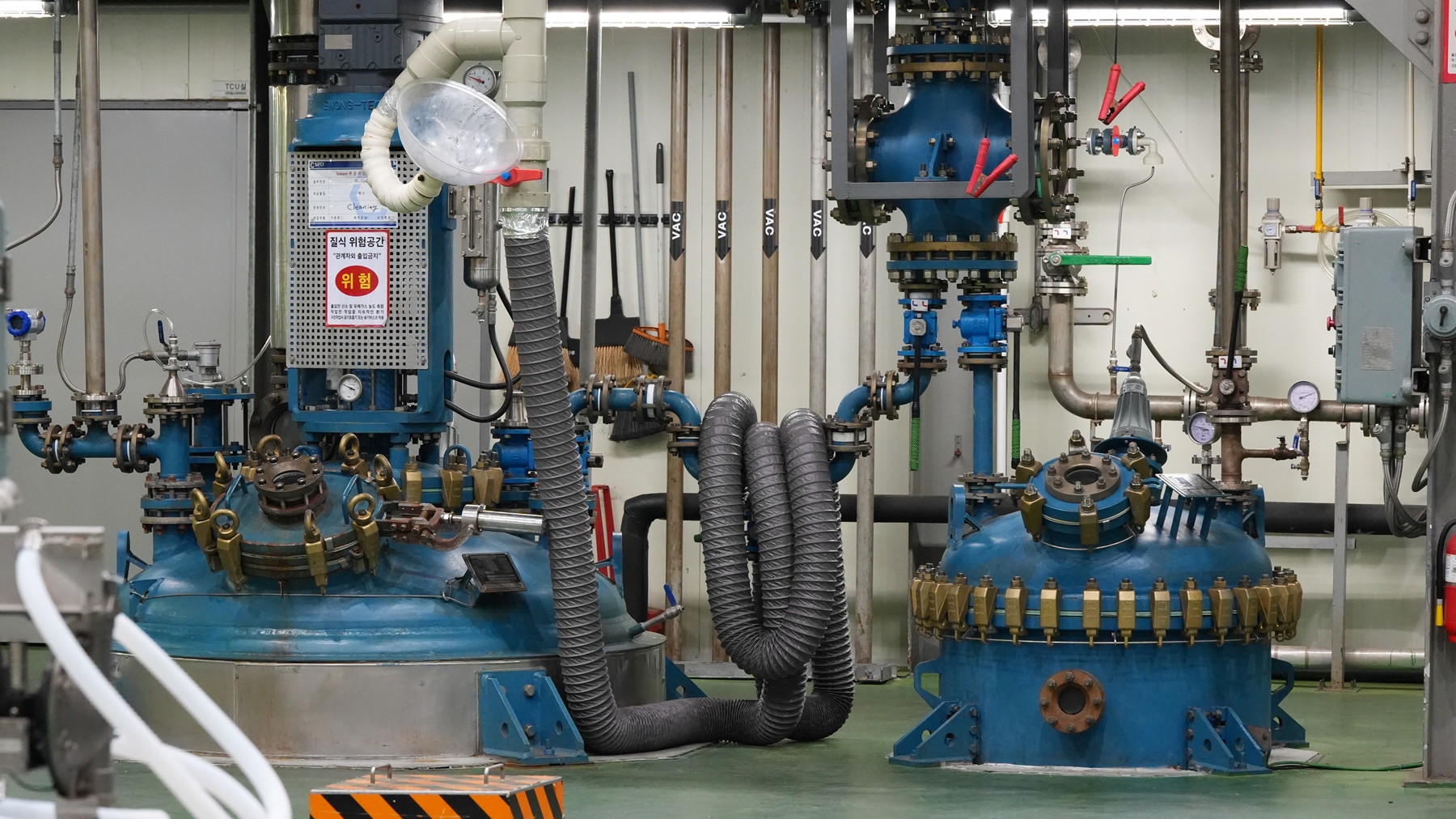
Used for hydrogenation and high-pressure reactions.
Each reactor is equipped with automated pressurization and pressure-relief systems, rupture discs, and a knockout tank.
1,500 L × 2 units · 9.9 bar · −29 to 200°C · SUS 316L
Perform powder drying and vacuum drying.
Each unit can be tilted to allow direct packaging.
1,500 L × 2 units · 5 bar · −29 to 120°C · SUS 316L
Supplies ozone to reactors through a sparger.
Residual ozone is treated using an ozone destructor before discharge.
7.5 kg/h · 52.5 Nm³/h · 1.7–2.0 bar
Produces ultrapure water through primary and secondary reverse-osmosis processes
followed by electrodeionization, and supplies it to production processes.
1.2 m³/h · Resistivity: 17.5 MΩ · Metals: 0.1 ppb · TOC: 20 ppb
Performs vacuum distillation of highly acidic substances.
A vacuum is generated through the downward circulation of an aqueous sodium hydroxide solution.
Tank: 2 m³ · Ejector: 80 A × 50 A · SUS 316L
Sets and maintains the target reactor temperature
by circulating a heat transfer fluid.
Tank: 2 m³ · Ejector: 80 A × 50 A · SUS 316L